Introduction
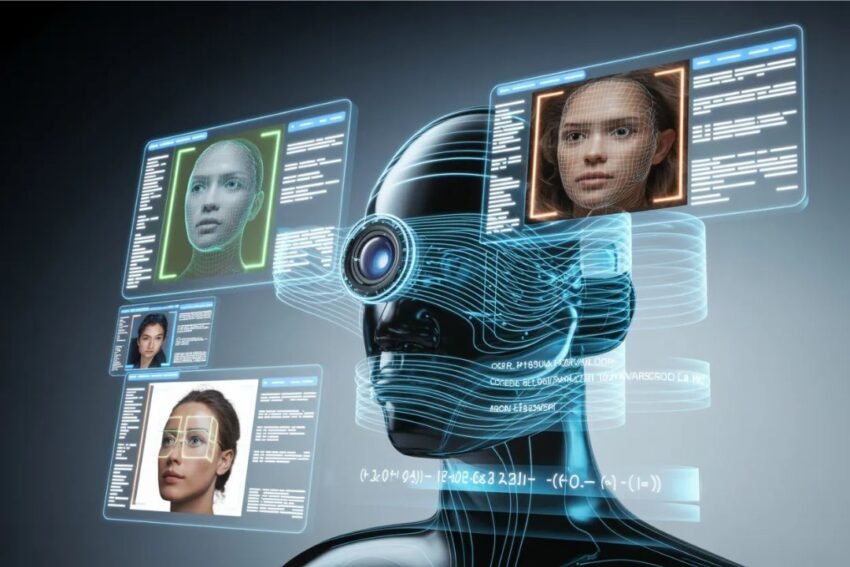
In today’s digital age, images and videos dominate the way we communicate, work, and interact with technology. But how do machines make sense of this visual data? The answer lies in computer vision—a powerful field of artificial intelligence (AI) that is rapidly evolving from simple pixel processing to true visual intelligence.
“From Pixels to Intelligence” represents the journey of computer vision systems as they move beyond recognizing patterns to understanding context, behavior, and meaning. In this SEO-optimized article, we explore the future of computer vision technology, emerging trends, innovations, challenges, and its transformative impact on industries worldwide.
Understanding the Evolution of Computer Vision
Computer vision has come a long way from its early days of basic image processing.
From Pixels to Patterns
Initially, systems could only analyze raw pixel data, identifying edges, colors, and simple shapes.
From Patterns to Recognition
With the introduction of machine learning and deep learning, systems began recognizing objects, faces, and scenes.
From Recognition to Intelligence
Today, computer vision systems are moving toward contextual understanding—interpreting not just what is in an image, but what it means.
How Computer Vision is Becoming More Intelligent
Modern computer vision systems are evolving through several technological advancements:
Deep Learning and Neural Networks
Convolutional Neural Networks (CNNs) and transformer-based models are enabling machines to extract complex patterns from visual data.
Contextual Awareness
AI systems are now capable of understanding relationships between objects within an image.
Multimodal Learning
Combining visual data with text, audio, and sensor data allows systems to gain a deeper understanding of environments.
Self-Supervised Learning
Reducing reliance on labeled data, enabling systems to learn from unlabeled images.
Key Future Trends in Computer Vision Technology
The future of computer vision is driven by innovation and integration with other technologies. Here are the most important trends shaping its evolution:
1. Real-Time Vision Systems
Future computer vision applications will process data instantly, enabling real-time decision-making.
- Autonomous vehicles reacting instantly to road conditions
- Smart surveillance systems detecting threats immediately
- Live video analytics for sports and entertainment
2. Edge AI and On-Device Processing
Instead of relying on cloud computing, computer vision models are moving to edge devices.
Benefits:
- Faster processing speeds
- Reduced latency
- Enhanced privacy and security
Devices like smartphones, drones, and IoT sensors will increasingly perform complex visual tasks independently.
3. 3D Vision and Spatial Understanding
The future goes beyond 2D images.
Advancements include:
- Depth perception
- 3D object reconstruction
- Spatial awareness
This will revolutionize industries such as robotics, gaming, and augmented reality (AR).
4. Integration with Augmented Reality (AR) and Virtual Reality (VR)
Computer vision will play a central role in immersive technologies.
- AR applications overlaying digital objects in real environments
- VR systems creating realistic virtual worlds
- Enhanced user interaction through gesture recognition
5. Autonomous Systems and Robotics
Computer vision is a key enabler of intelligent machines.
- Self-driving cars navigating complex environments
- Robots performing tasks in warehouses and factories
- Drones conducting inspections and deliveries
These systems will become more reliable and adaptive over time.
6. Explainable and Ethical AI
As computer vision systems become more powerful, transparency becomes essential.
Focus Areas:
- Explainable AI (XAI) for understanding decisions
- Reducing bias in image recognition models
- Ensuring fairness and accountability
Ethical considerations will shape the future development of computer vision technologies.
7. AI-Powered Healthcare Innovations
The healthcare industry will see major advancements through computer vision.
- Early disease detection with higher accuracy
- Personalized treatment plans
- AI-assisted surgeries
Future systems may even predict health conditions before symptoms appear.
8. Smart Cities and Urban Planning
Computer vision will be a cornerstone of smart city development.
- Traffic monitoring and management
- Waste management optimization
- Public safety and surveillance
Cities will become more efficient, safe, and sustainable.
9. Advanced Retail Experiences
Retail will be transformed through intelligent vision systems.
- Fully automated stores
- Personalized shopping experiences
- Smart inventory tracking
Customers will enjoy seamless and interactive shopping environments.
10. Human-AI Collaboration
Rather than replacing humans, computer vision will enhance human capabilities.
- Assisting professionals in decision-making
- Improving productivity in various industries
- Enabling new forms of creativity
The future lies in collaboration between humans and intelligent machines.
Benefits of Future Computer Vision Systems
- Higher Accuracy: Improved models reduce errors significantly
- Automation at Scale: Handles complex tasks efficiently
- Enhanced User Experience: Personalized and interactive systems
- Better Decision-Making: Data-driven insights in real time
- Cross-Industry Impact: Applications across healthcare, retail, transportation, and more
Challenges Ahead
Despite its promising future, computer vision faces several challenges:
Data Limitations
High-quality data is still essential for training robust models.
Privacy Concerns
Increased surveillance raises ethical and legal issues.
Computational Complexity
Advanced models require significant processing power.
Bias and Fairness
Ensuring unbiased and fair systems remains a critical challenge.
The Road Ahead: What to Expect
The future of computer vision is not just about machines seeing—it’s about machines understanding.
What lies ahead:
- Fully autonomous systems with human-like perception
- Seamless integration with everyday devices
- Smarter, safer, and more efficient environments
- Continuous learning systems that improve over time
As AI continues to evolve, computer vision will become more intuitive, adaptive, and intelligent.
Conclusion
From analyzing pixels to achieving true intelligence, computer vision technology is on a transformative journey. It is no longer limited to recognizing objects—it is evolving into a system that understands context, predicts outcomes, and interacts intelligently with the world.
The future of computer vision holds immense potential, promising innovations that will reshape industries and redefine how humans and machines coexist. As we move forward, embracing these advancements responsibly will be key to unlocking their full potential.
FAQs
What is the future of computer vision?
The future involves smarter, real-time systems with contextual understanding and integration with AI, IoT, and AR/VR.
Will computer vision replace humans?
No, it will enhance human capabilities and support decision-making.
What industries will benefit the most?
Healthcare, transportation, retail, manufacturing, and smart cities will see major transformations.
Is computer vision difficult to learn?
It requires knowledge of programming, mathematics, and machine learning, but with proper resources, it is accessible to learners.