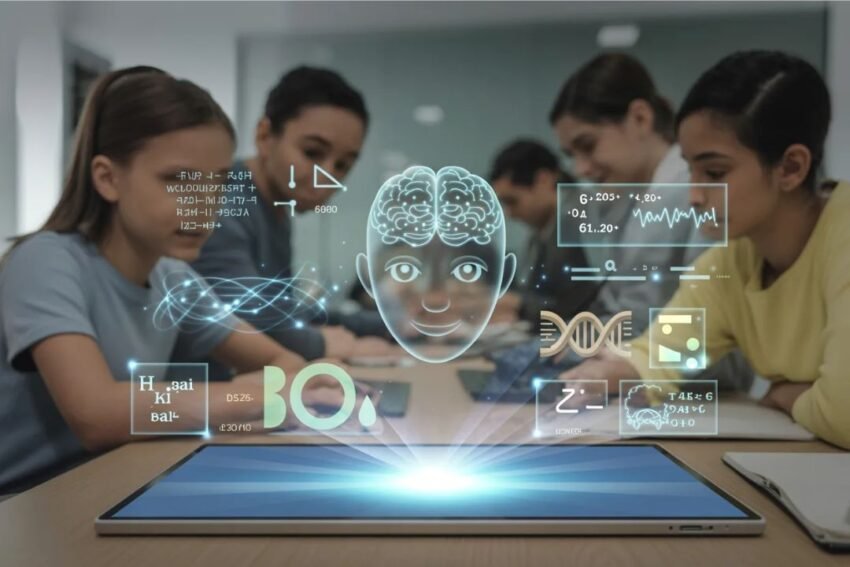
In the rapidly evolving digital age, education is undergoing a profound transformation driven by technological innovation. Among the most impactful advancements is the integration of Artificial Intelligence (AI) into educational technology, commonly referred to as EdTech AI. This powerful combination is reshaping how students learn, how teachers teach, and how institutions operate. The rise of EdTech AI signals a shift toward smarter, more efficient, and highly personalized learning systems that are preparing individuals for the demands of a digital future.
This article explores the emergence of EdTech AI, its core applications, benefits, challenges, and its role in building a smarter, more inclusive global education system.
Understanding EdTech AI
EdTech AI refers to the use of artificial intelligence technologies within educational platforms, tools, and systems to enhance learning experiences. It encompasses machine learning, natural language processing, data analytics, and automation to create intelligent learning environments.
Unlike traditional digital tools, AI-powered systems are capable of adapting, learning, and improving over time. They analyze user behavior, predict outcomes, and provide tailored content that aligns with individual learning needs.
The Evolution of Educational Technology
Education has evolved significantly over the past few decades. From chalkboards to smartboards, and from printed textbooks to online learning platforms, technology has continuously shaped how knowledge is delivered.
The introduction of AI marks a new phase in this evolution. While earlier technologies focused on digitizing content, EdTech AI focuses on optimizing the learning process itself. It shifts the focus from content delivery to learner engagement, comprehension, and success.
Personalized Learning at Scale
One of the most transformative aspects of EdTech AI is its ability to deliver personalized learning experiences at scale.
Adaptive Learning Systems
AI-driven platforms assess a learner’s performance in real time and adjust the content accordingly. For example, if a student struggles with a concept, the system provides additional explanations, exercises, and resources. Conversely, advanced learners can skip ahead, ensuring that no time is wasted.
Customized Learning Paths
Each student receives a unique learning journey based on their strengths, weaknesses, goals, and preferences. This level of customization was previously only possible through one-on-one tutoring but is now accessible to millions through AI.
Intelligent Tutoring and Virtual Assistants
AI-powered tutoring systems are revolutionizing how students receive support outside the classroom.
24/7 Learning Support
Virtual tutors and chatbots provide round-the-clock assistance. Students can ask questions, clarify doubts, and receive instant feedback without waiting for teacher availability.
Conversational Learning
Natural language processing allows AI systems to engage in meaningful conversations with students. This interactive approach makes learning more engaging and less intimidating, especially for those who hesitate to ask questions in traditional settings.
Data-Driven Education
Data is at the core of EdTech AI. By analyzing vast amounts of information, AI systems provide actionable insights that improve educational outcomes.
Learning Analytics
AI tracks student performance, engagement levels, and behavioral patterns. These insights help educators understand how students interact with content and identify areas for improvement.
Predictive Intelligence
AI can predict future performance based on past behavior. It can identify students at risk of failure and recommend timely interventions, helping institutions improve retention and success rates.
Automation and Efficiency
AI is streamlining administrative and academic processes, making education systems more efficient.
Automated Grading
AI tools can evaluate assignments, quizzes, and even essays with high accuracy. This reduces the burden on teachers and ensures faster feedback for students.
Content Management
AI helps organize and manage educational content, making it easier for institutions to update curricula and deliver relevant materials.
Enhancing Engagement Through Innovation
EdTech AI is making learning more interactive and enjoyable by integrating advanced technologies.
Gamification
AI-powered gamification adapts challenges and rewards based on student progress. This keeps learners motivated and encourages consistent participation.
Immersive Learning Experiences
AI, combined with virtual and augmented reality, creates immersive environments where students can explore complex concepts visually and interactively.
Bridging the Global Education Gap
One of the most promising aspects of EdTech AI is its ability to make education accessible to a broader audience.
Remote Learning Opportunities
Students from remote or underserved areas can access high-quality education through AI-powered platforms. This reduces geographical barriers and promotes global learning.
Multilingual Support
AI enables real-time translation and language support, allowing students to learn in their preferred language. This fosters inclusivity and expands access to education worldwide.
Supporting Teachers and Educators
EdTech AI is not replacing teachers; it is empowering them.
Smart Teaching Tools
AI provides educators with tools to create engaging lessons, track student progress, and identify learning gaps. This allows teachers to focus on mentoring and guiding students.
Professional Development
AI systems can recommend training programs and resources based on a teacher’s needs, helping them stay updated with modern teaching practices.
Challenges and Concerns
Despite its advantages, the adoption of EdTech AI comes with several challenges that need careful consideration.
Data Privacy Issues
AI systems rely heavily on student data. Ensuring data security and privacy is critical to maintaining trust and compliance with regulations.
Digital Inequality
Not all students have access to the necessary technology or internet connectivity. This digital divide can limit the benefits of EdTech AI for certain populations.
Ethical Considerations
AI algorithms may introduce bias if not properly designed. Ensuring fairness, transparency, and accountability is essential in AI-driven education systems.
The Future of EdTech AI
The future of EdTech AI is filled with possibilities. As technology continues to advance, we can expect even more innovative solutions that redefine learning.
Lifelong Learning Ecosystems
AI will support continuous learning throughout a person’s life, offering personalized recommendations for skill development and career growth.
Integration with Emerging Technologies
EdTech AI will increasingly integrate with blockchain, virtual reality, and the Internet of Things to create secure, immersive, and interconnected learning environments.
Global Collaboration
AI-powered platforms will enable collaboration among students and educators across the globe, fostering cultural exchange and collective learning.
Preparing for a Digital Future
As EdTech AI continues to evolve, it is essential for students, educators, and institutions to adapt.
Skill Development
Learners must develop digital literacy, critical thinking, and adaptability to thrive in AI-driven environments.
Institutional Readiness
Educational institutions must invest in infrastructure, training, and policy development to effectively implement AI technologies.
Ethical Implementation
Stakeholders must prioritize ethical practices to ensure that AI benefits all learners equally and responsibly.
Conclusion
The rise of EdTech AI marks a turning point in the history of education. By combining the power of artificial intelligence with innovative educational technologies, we are moving toward a smarter, more personalized, and inclusive learning ecosystem.
EdTech AI is not just enhancing education—it is redefining it. From personalized learning and intelligent tutoring to data-driven insights and global accessibility, AI is shaping the future of how knowledge is acquired and shared.
However, to fully realize its potential, it is crucial to address challenges such as data privacy, digital inequality, and ethical concerns. With thoughtful implementation and collaboration, EdTech AI can create a transformative educational experience that prepares learners for the complexities of a digital future.