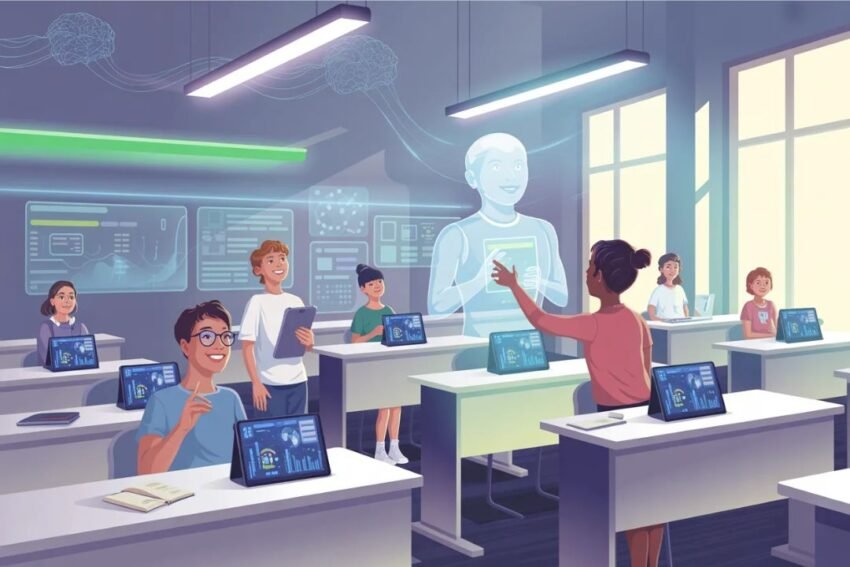
Artificial Intelligence (AI) is transforming nearly every aspect of modern life, and education is no exception. As classrooms evolve into digital learning environments, AI is playing a crucial role in making education more personalized, accessible, and effective. The concept of “one-size-fits-all” learning is rapidly becoming obsolete, replaced by intelligent systems that adapt to the unique needs of each learner.
This article explores how artificial intelligence is enabling personalized learning for everyone, its key benefits, real-world applications, challenges, and the future of education in an AI-driven world.
What is Artificial Intelligence in Education?
Artificial Intelligence in education refers to the use of advanced technologies such as machine learning, natural language processing, and data analytics to improve teaching and learning processes. AI systems can analyze student data, recognize patterns, and make decisions that enhance educational outcomes.
Unlike traditional learning systems, AI-powered platforms are dynamic. They continuously learn from user interactions and refine their responses, creating a more customized and engaging experience for students.
The Shift Toward Personalized Learning
Personalized learning is an educational approach that tailors instruction to meet the individual needs, skills, and interests of each student. AI has made it possible to implement personalized learning on a large scale.
From Standardization to Customization
In traditional classrooms, teachers often deliver the same content to all students, regardless of their abilities. AI changes this by offering customized lessons that align with each student’s learning pace and style.
Learning at Your Own Pace
AI-powered systems allow students to progress through material at their own speed. Fast learners can move ahead without being held back, while others can take additional time to fully understand concepts.
How AI Enables Personalized Learning
AI technologies provide several tools and systems that make personalized learning a reality.
Adaptive Learning Platforms
Adaptive learning systems use AI algorithms to assess student performance in real time. Based on this data, they adjust content difficulty, recommend resources, and provide targeted exercises.
Intelligent Tutoring Systems
AI tutors simulate one-on-one instruction by offering explanations, answering questions, and providing feedback. These systems adapt to each learner’s progress and learning style.
Learning Analytics
AI collects and analyzes data on student behavior, performance, and engagement. This helps educators understand how students learn and identify areas where they need support.
Benefits of AI-Powered Personalized Learning
The integration of AI in education offers numerous advantages for students, teachers, and institutions.
Improved Learning Outcomes
Personalized learning ensures that students receive the right content at the right time. This leads to better understanding, higher retention rates, and improved academic performance.
Increased Engagement
Interactive and tailored content keeps students motivated and interested in learning. AI systems can incorporate multimedia, quizzes, and gamified elements to enhance engagement.
Accessibility for All
AI makes education more inclusive by providing tools such as speech recognition, text-to-speech, and real-time translation. These features support students with disabilities and language barriers.
Efficient Use of Time
By automating tasks such as grading and content delivery, AI allows teachers to focus on meaningful interactions with students.
Real-World Applications of AI in Education
AI is already being used in various educational settings around the world.
Virtual Classrooms
AI enhances online learning platforms by providing personalized recommendations, automated feedback, and interactive features.
Smart Content Creation
AI can generate summaries, quizzes, and study materials tailored to different learning levels. This makes content more relevant and effective.
Chatbots and Virtual Assistants
AI-powered chatbots provide instant support to students, answering questions and guiding them through their learning journey.
Role of Teachers in AI-Driven Education
While AI is transforming education, teachers remain essential to the learning process.
Facilitators and Mentors
Teachers guide students, provide emotional support, and foster critical thinking skills. AI supports these roles by handling routine tasks and providing data-driven insights.
Enhancing Teaching Strategies
AI helps educators identify learning gaps and adjust their teaching methods accordingly. This leads to more effective instruction and better student outcomes.
Challenges of AI in Personalized Learning
Despite its benefits, the use of AI in education presents several challenges.
Data Privacy Concerns
AI systems require access to large amounts of student data. Protecting this data is critical to ensuring privacy and security.
Technology Access
Not all students have access to the devices and internet connectivity needed for AI-based learning. This digital divide can limit the reach of personalized education.
Algorithm Bias
AI systems can sometimes produce biased results if the data they are trained on is not diverse. Ensuring fairness and transparency is essential.
The Future of Personalized Learning with AI
The future of education is closely tied to the continued development of AI technologies.
Lifelong Learning
AI will support continuous education by offering personalized learning paths throughout an individual’s life. This is especially important in a rapidly changing job market.
Integration with Emerging Technologies
AI will work alongside technologies such as virtual reality and augmented reality to create immersive learning experiences.
Global Learning Communities
AI-powered platforms will connect learners from around the world, fostering collaboration and knowledge sharing.
Building an Inclusive Education System
AI has the potential to create a more equitable education system by addressing the diverse needs of learners.
Supporting Diverse Learners
AI tools can adapt to different learning styles, abilities, and backgrounds, ensuring that every student has the opportunity to succeed.
Breaking Language Barriers
Real-time translation and multilingual support make it easier for students to access education in their preferred language.
Preparing for an AI-Driven Education System
To fully benefit from AI in education, stakeholders must take proactive steps.
For Students
Students should develop digital literacy skills and embrace new learning technologies.
For Educators
Teachers need training and support to effectively use AI tools in their classrooms.
For Institutions
Educational institutions must invest in infrastructure, policies, and ethical guidelines to ensure responsible AI implementation.
Conclusion
Artificial Intelligence is revolutionizing education by making personalized learning accessible to everyone. By tailoring content to individual needs, improving engagement, and enhancing accessibility, AI is creating a more effective and inclusive learning environment.
However, the successful integration of AI in education requires careful consideration of challenges such as data privacy, accessibility, and ethical concerns. With the right approach, AI can empower students, support teachers, and transform the future of learning.
As we move forward, the goal is clear: to create an education system where every learner has the opportunity to thrive. Artificial Intelligence is not just a tool—it is a catalyst for change, enabling personalized learning for everyone and shaping a smarter, more connected world.