Introduction
In today’s fast-paced digital world, smart technologies are becoming an integral part of our daily lives. From smart homes and wearable devices to intelligent virtual assistants and automated systems, technology is evolving to become more responsive, personalized, and efficient. At the heart of this transformation lies Natural Language Processing (NLP), a powerful branch of artificial intelligence that enables machines to understand and interact using human language.
Natural Language Processing is playing a crucial role in making smart technologies truly “smart” by allowing seamless communication between humans and machines. This article explores the role of NLP in smart technologies, its core functions, real-world applications, benefits, challenges, and future potential.
What is Natural Language Processing?
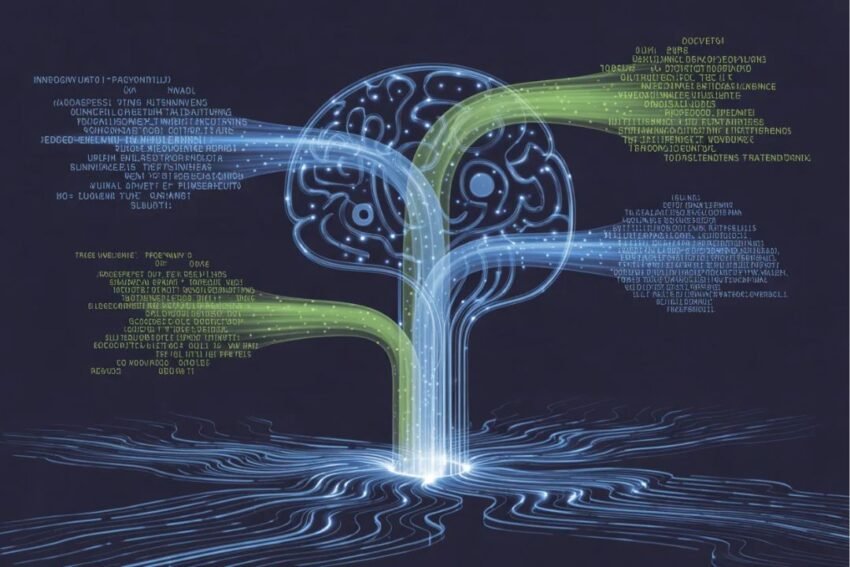
Natural Language Processing (NLP) is a subfield of artificial intelligence that focuses on enabling computers to understand, interpret, and generate human language. It combines computational linguistics with machine learning and deep learning techniques to process both text and speech data.
NLP allows machines to:
- Understand user commands
- Analyze context and intent
- Respond intelligently
- Learn from user interactions
This capability is essential for smart technologies that rely on real-time communication and user engagement.
Understanding Smart Technologies
Smart technologies refer to devices and systems that use advanced computing, connectivity, and artificial intelligence to perform tasks automatically or with minimal human intervention.
Examples of smart technologies include:
- Smart home devices
- Wearable technology
- Smart appliances
- Autonomous vehicles
- Voice-controlled assistants
These technologies rely heavily on NLP to provide intuitive and user-friendly experiences.
How NLP Powers Smart Technologies
Natural Language Processing enhances smart technologies in several key ways:
1. Voice Interaction
One of the most prominent uses of NLP in smart technologies is voice interaction. Users can control devices using simple voice commands, making technology more accessible and convenient.
For example:
- Turning on lights
- Setting reminders
- Playing music
- Controlling home appliances
Voice interaction eliminates the need for manual input and allows hands-free operation.
2. Natural Language Understanding (NLU)
NLU enables smart systems to understand the intent behind user commands. Instead of just recognizing words, systems can interpret meaning and context.
This allows devices to respond accurately, even when commands are phrased differently.
3. Personalization
NLP allows smart technologies to learn user preferences and behavior over time. This enables personalized experiences such as:
- Customized recommendations
- Adaptive responses
- Predictive actions
For example, a smart assistant can suggest reminders based on past habits.
4. Real-Time Communication
Smart technologies rely on real-time communication to provide immediate responses. NLP processes user input quickly, ensuring smooth and efficient interaction.
5. Multilingual Support
NLP enables smart devices to understand multiple languages, making them accessible to a global audience. This is especially important in diverse and multilingual environments.
Applications of NLP in Smart Technologies
1. Smart Home Systems
NLP-powered smart home devices allow users to control appliances using voice commands. These systems can:
- Adjust lighting and temperature
- Manage security systems
- Control entertainment devices
This creates a more comfortable and automated living environment.
2. Virtual Assistants
Virtual assistants use NLP to perform tasks such as scheduling, answering questions, and providing updates. They act as personal helpers, improving productivity and convenience.
3. Wearable Devices
Wearable technologies such as smartwatches use NLP for voice commands, notifications, and health monitoring. Users can interact with these devices without needing to type or tap.
4. Smart Vehicles
NLP is used in smart vehicles to enable voice-controlled navigation, entertainment, and communication systems. Drivers can interact with their vehicles without taking their hands off the wheel.
5. Healthcare Systems
In healthcare, NLP-powered systems assist in analyzing patient data, managing records, and providing medical insights. Smart healthcare devices can also respond to voice commands.
6. Smart Customer Service
Businesses use NLP-powered chatbots and virtual assistants to provide instant customer support. These systems can handle multiple queries simultaneously, improving efficiency.
Benefits of NLP in Smart Technologies
1. Improved User Experience
NLP makes interaction with smart devices more natural and intuitive, enhancing user satisfaction.
2. Increased Efficiency
Automation of tasks reduces manual effort and saves time.
3. Accessibility
Voice-based interaction makes technology accessible to people with disabilities or limited technical knowledge.
4. Scalability
Smart systems can handle large volumes of interactions without additional resources.
5. Cost Reduction
Businesses can reduce operational costs by automating customer service and other processes.
Challenges of NLP in Smart Technologies
Despite its advantages, NLP in smart technologies faces several challenges:
1. Accuracy and Understanding
Understanding complex language, accents, and dialects remains a challenge.
2. Privacy Concerns
Smart devices often collect user data, raising concerns about data security and privacy.
3. Context Awareness
Maintaining context in long conversations can be difficult for NLP systems.
4. Resource Requirements
Advanced NLP models require significant computational power and data.
5. Language Diversity
Supporting multiple languages and regional variations is complex.
The Future of NLP in Smart Technologies
The future of NLP in smart technologies is full of exciting possibilities:
1. More Intelligent Systems
Future smart devices will be more intelligent, capable of understanding emotions and complex queries.
2. Seamless Integration
NLP will integrate with technologies like IoT, AR, and VR to create more immersive experiences.
3. Enhanced Personalization
Smart systems will offer highly personalized experiences based on user behavior and preferences.
4. Improved Security
Advancements in AI will enhance data security and privacy protection.
5. Wider Adoption
As technology becomes more affordable, NLP-powered smart devices will become more widely accessible.
NLP and the Internet of Things (IoT)
Natural Language Processing plays a vital role in the Internet of Things (IoT), where multiple devices are connected and communicate with each other.
NLP enables users to:
- Control multiple devices through a single interface
- Receive real-time updates
- Automate complex tasks
This integration makes smart ecosystems more efficient and user-friendly.
SEO Importance of NLP in Smart Technologies
NLP is also influencing search engine optimization (SEO) in the context of smart technologies. Voice search and conversational queries are becoming more common, requiring content to be optimized for natural language.
Key SEO Impacts:
- Voice search optimization
- Conversational content strategies
- Improved search relevance
- Better user engagement
Content creators must focus on writing natural, user-focused content that aligns with NLP-driven algorithms.
Conclusion
Natural Language Processing is a key driver behind the success of smart technologies. By enabling machines to understand and respond to human language, NLP is transforming how we interact with devices and systems.
From smart homes and wearable devices to healthcare and customer service, NLP is making technology more intuitive, efficient, and accessible. While challenges remain, continuous advancements in AI and machine learning are paving the way for smarter and more capable systems.
As smart technologies continue to evolve, NLP will play an increasingly important role in shaping the future of human-machine interaction, creating a world where technology seamlessly integrates into our daily lives.